
Rivett Termite Barriers
Protect your Rivett home with reliable termite barriers and effective pest control solutions. Our expert team offers comprehensive termite management to ensure lasting protection for your property.
Call Now!
Understanding Termite Barrier Systems
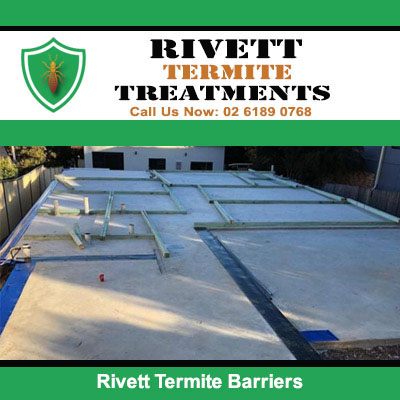
What types of barrier systems are suitable for homes?
Termite barriers protect your home from termite damage. There are two main types:
- Physical barriers: Made from strong materials like stainless steel mesh or special building materials, these block termites from entering your home. They last a long time and do not use chemicals.
- Chemical barriers: These use termiticides, chemicals that keep termites away or kill them before they enter your property. Chemical barriers are often used with integrated pest management for better control.
At Rivett Termite Treatments, we suggest using barrier systems that are both effective and meet building standards. Our licensed pest control experts check your home’s construction and environment to recommend the best option.
Using pest control barriers during building or renovation also protects wood and adds waterproofing. This helps stop termites by closing entry points. Whether you need thermal barriers, strong physical materials, or chemical termiticides, professional installation gives the best termite defence and long-lasting results.
What is the process of installing a termite barrier around existing structures?
- Inspection and Site Assessment: Licensed pest control experts inspect your home for termites, looking for nests, mud tubes, moisture problems, and ventilation issues.
- Preparation: The area around the foundation and other weak points is cleaned and secured.
- Application of Barriers: Installers use special tools and technology to apply the chosen barrier carefully. Rivett termite barriers are placed precisely to cover all areas.
- Compliance and Warranty: The installation follows local building codes. A warranty usually comes with the service for your confidence.
- Maintenance Advice: Experts offer tips on how to prevent termites as part of integrated pest management.
Licensed installers focus on safety, moisture control, and good ventilation to make the barrier work well and keep your property safe for a long time.
How can I identify if my property is vulnerable to termite activity?
You can spot termite risk early by watching for these signs:
- Mud tubes on walls, foundations, or wood.
- Damage to wood such as hollow sounds or peeling paint.
- Active termite nests near or on your property.
- Areas with too much moisture or poor airflow.
- Gaps, cracks, or other places where termites can enter.
- Landscaping that provides food or shelter, like thick mulch or untreated wood piles nearby.
Regular termite inspections by licensed experts give a full risk check. Early detection with ongoing pest management lowers the chance of serious damage. If you see signs of termites or worry about your home, get a professional inspection right away.
What environmental factors influence termite activity?
Several factors affect termite presence:
- Moisture and humidity: Termites need damp conditions to survive. Poor drainage or high humidity makes termite problems worse.
- Temperature and climate: Warm regions in Australia are perfect for termite colonies to grow.
- Soil type: Some soils hold moisture better, helping termites thrive.
- Ventilation: Poor airflow under floors or in crawl spaces increases moisture and attracts termites.
- Landscaping and surroundings: Thick plants, wood mulch, and untreated timber close to your house give termites food and shelter.
- Seasonal weather: Termites are most active when the soil is wet during rainy seasons.
Knowing these factors helps create eco-friendly termite control plans. Our pest control team includes natural habitat considerations when recommending Rivett termite barriers for safe and effective protection.
How do construction materials affect barrier effectiveness?
The materials used in your home impact how well termite barriers work:
- Wood: Common but vulnerable to termites unless treated or protected by barriers.
- Concrete and metal: Naturally termite-resistant but need sealed joints and entry points to stay effective.
- Durability and absorption: Chemical barriers depend on how well materials absorb and hold the treatment.
- Compliance and maintenance: Building rules may require termite-resistant materials or barriers, especially in high-risk areas.
Rivett termite barriers work with your home’s structure to improve termite resistance safely and within regulations. Integrated pest management considers your construction materials to choose the best barrier approach, giving strong protection with low upkeep.
Frequently Asked Questions
Q: How often should I schedule termite inspections?
A: It is best to get a professional termite inspection at least once a year, especially if termites are common in your area.
Q: Can termite barriers be installed in older homes?
A: Yes. Licensed installers can add physical or chemical barriers to existing buildings to protect against termites.
Q: Are chemical termite barriers safe for my family and pets?
A: When applied by licensed professionals with approved products, chemical barriers are safe and follow health and environmental rules.
Q: How long do termite barriers last?
A: Physical barriers can last for the life of your home. Chemical barriers usually need reapplying every 5 to 10 years depending on the product and soil.
Q: What should I do if I find mud tubes around my home?
A: Contact a licensed pest expert right away for a thorough inspection and treatment.
Choosing Rivett for Your Termite Protection
How experienced are your technicians in handling termite problems?
At Rivett Termite Treatments, our team consists of licensed and skilled termite professionals. Our inspectors and technicians have strong knowledge and proven experience in termite inspections and treatments. Each technician holds the necessary certifications and credentials to provide thorough, quality pest control services.
Our specialists keep their skills up to date by following industry standards and using effective termite control methods. When you choose us, you get reliable and trustworthy experts who offer professional solutions designed for your needs. Our team’s experience in pest control ensures your property is protected by trained and skilled termite professionals you can trust.
Are your termite solutions safe for my family and pets?
Safety is our top priority in all termite treatments. We know how important it is to keep your home healthy for children and pets. That is why we use non-toxic and eco-friendly termite control options whenever possible.
Our safe and effective termite treatments reduce environmental impact and avoid harmful chemicals inside your home. By using environmentally friendly methods, we protect your home from termites while keeping your family and pets safe. We focus on pest control that supports the health of your household and the local environment.
What is the difference between chemical and physical termite barriers?
Here is an easy way to understand chemical and physical termite barriers:
- Chemical Barriers: These barriers use termiticides applied to soil or building materials around your home. They create a toxic barrier that kills or repels termites trying to enter. Licensed professionals carefully apply chemical barriers as a main method for termite prevention.
- Physical Barriers: These barriers use materials like metal mesh or layers of sand installed during building. Physical barriers block termites without using chemicals. They provide long-lasting defence and are a key part of integrated pest management.
Both types of termite barriers help protect your home. The best choice depends on your property and environmental concerns. Our team can advise you on suitable termite barriers that fit your home and budget while giving strong protection.
Can you provide references from previous clients in the Canberra area?
We have served many satisfied clients in Canberra and the Rivett suburbs. Our focus on quality termite treatment and customer satisfaction has built a solid local reputation.
You can ask us for references and reviews from previous customers who have used our reliable service. Many local residents trust us for ongoing pest control and appreciate our clear communication and consistent results. We encourage new clients to read feedback and connect with people who recommend our trusted termite services.
What are the benefits of choosing a local termite company?
Choosing a local termite company like Rivett Termite Treatments offers many benefits:
- Fast response times and convenient appointments in your area
- Good knowledge of local termite species and pest habits
- Strong community support and dedication to protecting local homes
- Licensed professionals who meet regional standards and rules
- Cost-effective termite control based on your neighbourhood’s needs
- Reliable ongoing pest management focused on your property's welfare
Supporting a suburban company means you get personal service from experts familiar with Canberra’s environment. This leads to better termite control and more confidence in the service. Our commitment to local clients keeps us focused on providing great results for your home and family.
Maintaining Your Termite Barrier
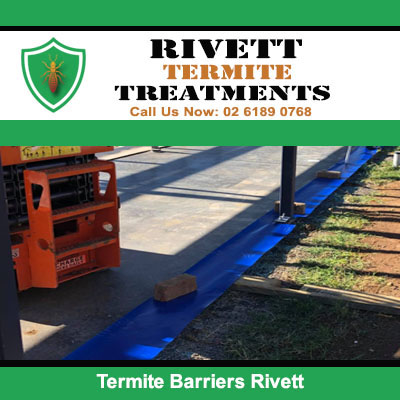
How often should I schedule termite inspections after barrier installation?
Regular termite inspections are important to keep termite protection effective after installing a termite barrier. Scheduling routine home termite inspections allows a professional termite inspector to find any signs of termite activity or barrier damage before infestations start.
It is recommended to have termite inspections at least once a year. In areas with high risk or frequent termite activity, more frequent inspections may be needed. Reliable pest control services can adjust the inspection schedule based on your location and home condition to provide ongoing pest control and lasting protection.
By having regular termite inspections with qualified pest control professionals, you can detect problems early and act quickly. This lowers the risk and cost of serious termite damage over time.
What routine maintenance tasks can I perform to enhance barrier protection?
Maintaining your termite barrier regularly is key to keeping it effective. You can do several simple maintenance tasks to support pest management, such as:
- Keep the area around your home clean and clear of debris.
- Trim plants to prevent them from touching your home’s walls.
- Ensure water drains well away from your foundation to avoid moisture build-up.
- Check for and fix cracks or gaps in your home’s exterior.
- Remove wood piles, mulch, or other cellulose materials near your home.
- Clean spills and remove food sources promptly to avoid attracting pests.
These preventative measures protect the termite barrier from damage caused by the environment and reduce the chance of termite infestations. Using these upkeep tasks alongside professional pest control services provides effective solutions for long-lasting termite protection.
What signs indicate potential barrier damage or compromise?
Finding signs of barrier damage early helps stop termite infestations. Look for these signs during inspections or regular checks:
- Visible mud tubes on walls or foundations, showing termite pathways.
- Weak spots or cracks in the barrier or nearby structures.
- Termite nests inside or close to your home.
- Holes or damage to wooden parts of your home.
- Signs of termite activity like termite droppings (frass) or shed wings.
If you notice any of these signs, contact a professional termite inspector for a thorough risk assessment. Acting quickly can prevent major damage and keep your termite barrier working well.
How do seasonal changes affect barrier integrity?
Seasonal changes and environmental factors influence how well a termite barrier works. Changes in climate and weather can affect termite activity and may weaken the barrier. Important points include:
- Wet seasons increase moisture, which can damage the barrier and create good conditions for termites.
- Hot, dry periods may lower termite activity but cause cracks or shrinkage in barrier materials.
- Good ventilation and drainage help prevent moisture damage throughout the year.
- Pest control plans should adjust with the seasons to handle changing termite behaviour and environmental effects.
Knowing how seasons affect your barrier helps plan maintenance. Professional pest control services can check environmental factors to keep your termite barrier strong all year.
What are the long-term costs associated with termite barrier maintenance?
Taking care of termite barriers is usually cheaper than fixing damage from termite infestations. Long-term costs often include:
- Fees for regular inspections by professional termite control providers.
- Maintenance or repairs to the barrier and home structure.
- Possible treatments to renew or improve termite protection.
- Warranty or service plan fees linked to termite management.
These costs are ongoing, but they protect your home and save money by avoiding costly repairs. There are affordable maintenance plans available to suit different budgets, making termite barrier upkeep practical for most homeowners.
Frequently Asked Questions (FAQ)
Q: How soon after barrier installation should I have my first termite inspection?
A: It is best to schedule your first termite inspection within six months after installation to confirm the barrier is intact and working properly.
Q: Can I detect termite activity on my own between inspections?
A: Yes, watch for mud tubes, damaged wood, or unexpected droppings, which may show termite presence.
Q: Are termite barriers effective in all climates?
A: Barriers are designed for different environments, but regular inspections and maintenance are important for success in any climate.
Q: What qualifications should a termite inspector have?
A: Inspectors should be licensed pest control professionals trained in termite biology and treatment methods, accredited by industry organisations.
Q: Is termite barrier maintenance covered under warranty?
A: Many barriers have warranties for defects, but usually not for damage caused by poor maintenance or termite activity. Check your specific policy details.
For advice tailored to your home and area, contact our certified experts at Termite Treatment in Rivett today.
Termite Barrier Solutions and Your Lease
Am I responsible for termite control according to my lease agreement?
Knowing your termite control duties under your lease is important for keeping your rental property free from pests. Usually, a lease explains if the tenant or landlord must handle termite management and prevention.
- Tenant Responsibilities: Many leases require tenants to report any termite signs or pest problems to the landlord or property manager quickly. Tenants may also need to do small tasks to help prevent termites, like keeping the property clean and dry.
- Landlord and Property Manager Duties: Landlords often have the legal duty to arrange termite inspections and treatments. They must follow pest management laws and keep termite barriers in good condition.
- Legal Obligations: Lease agreements differ. Check yours carefully to understand your termite control and pest management responsibilities.
- Reporting and Compliance: Tenants should report termite problems right away to allow fast action and to meet health and safety rules.
Talk to your property manager or landlord for advice on your lease and termite treatment. Clear communication helps make sure termite control duties are met properly.
How can landlords ensure adequate termite barrier protection?
Landlords have an important role in protecting rental homes from termite damage by using termite barriers and doing regular upkeep.
- Regular Inspections: Get termite inspections done regularly by licensed pest control experts to find problems early.
- Preventative Measures: Use physical and chemical termite barriers around the property to block termites from entering.
- Pest Control Services: Hire trusted pest control companies to manage termites using proven pest management plans.
- Maintenance: Keep the area around the property dry. Remove wood waste and repair leaks that attract termites.
- Compliance and Warranty: Make sure termite barriers meet legal rules and include warranties to protect the property.
- Risk Assessment: Check termite risks often and adjust prevention methods based on local termite activity and environment.
Following these steps helps landlords meet their legal and ethical termite control duties, lowers the chance of costly damage, and creates happier tenants.
What are the legal requirements for termite management in rental properties?
Laws about termite management in rental properties vary by state but usually include:
- Compliance with Pest Control Legislation: Landlords and property managers must obey state laws about pest control, including termite management.
- Lease Agreement Clauses: Leases often say who is responsible for termite inspections and treatments.
- Licensed Pest Control Services: Only licensed professionals should inspect and treat termites to be safe and effective.
- Inspection Frequency: Regular termite checks may be required to find termites early and stop damage.
- Reporting and Documentation: Property owners must keep records of pest control work for legal proof during checks or disputes.
- Safety and Environmental Standards: Pest control methods should protect tenants and cause minimal harm to the environment.
- Insurance and Liability: Having insurance is advised to handle risks related to termite damage.
Knowing these rules helps landlords, tenants, and the property stay safe and healthy.
How do I report termite concerns to my landlord or property manager?
Reporting termites quickly is key to managing pests and keeping the rental in good shape.
- Identify Signs: Watch for mud tubes, damaged wood, or shed wings—common termite signs.
- Communication: Tell your landlord or property manager right away by phone or email. Describe what you found clearly.
- Follow Lease Guidelines: Check your lease for how to report problems and who to contact.
- Request Inspection: Ask for a professional termite check to see how serious it is and get advice on treatment.
- Document Communication: Save copies of your reports and replies for your records.
- Cooperate with Pest Control: Let the landlord’s pest control team inspect and treat the property as needed.
Reporting early helps fix termite problems faster, lowering damage risks and protecting your tenant rights.
What costs am I responsible for as a tenant?
Who pays for termite control usually depends on your lease and local laws.
- Routine Maintenance: Tenants usually pay for small tasks that keep termites away, like cleaning and removing damp spots.
- Reporting Costs: Reporting termite issues does not cost money, but reporting quickly helps avoid bigger problems.
- Treatment Expenses: Most often, landlords pay for termite inspections and professional treatments since they own the property and must keep it safe.
- Lease Clauses: Some leases may ask tenants to help cover pest control fees. Always review your lease carefully.
- Financial Obligations: Tenants should not try to treat termites themselves. This can make the problem worse and may cause damage you could be liable for.
- Property Upkeep: Taking good care of the property helps stop termites and can prevent extra repair or treatment costs.
If you have questions about costs, talk to your property manager or a licensed pest control expert.
Frequently Asked Questions (FAQ)
Q1: Who is responsible for termite control in a rented property?
A: It depends on the lease, but landlords usually handle termite inspections and treatments. Tenants must report issues quickly.
Q2: How often should termite inspections happen in rental properties?
A: Usually yearly or as local laws and leases require, to catch termites early.
Q3: Can tenants treat termites themselves?
A: No. Termite treatments need licensed professionals to keep everyone safe and get good results.
Q4: What should I do if I see termite signs?
A: Tell your landlord or property manager immediately and ask for a professional inspection and treatment plan.
Q5: Are termite barriers required by law for rental properties?
A: It varies by state, but many areas require termite barriers or termite management to protect buildings.
For more information on termite management and legal rules, contact Rivett Termite Treatments, experts in pest barriers and tenant support.
Eco-Friendly Termite Control
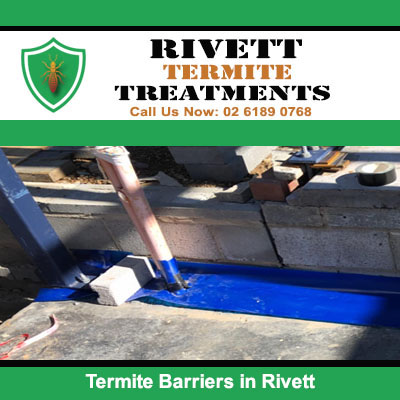
What eco-friendly options are available for creating a termite barrier?
Eco-friendly termite barrier solutions protect your home while reducing harm to the environment. These non-toxic and sustainable pest control methods use safe materials and new techniques to block termites effectively.
At Rivett Termite Treatments, our green methods include:
- Natural termite repellents made from plant oils and extracts
- Integrated pest management combining inspection, prevention, and treatment
- Non-toxic physical barriers using durable, environmentally safe materials
- Non-chemical treatments that lower the use of toxic substances
These options focus on safety for homeowners, pets, and local wildlife, showing a strong commitment to responsible pest management. Research and innovation keep these solutions effective without damaging the environment.
How effective are non-toxic methods compared to traditional treatments?
Non-toxic termite control has improved greatly thanks to research and integrated pest management. Unlike traditional termiticides that use toxic chemicals, non-toxic pest control offers:
- Safe use around children and pets with no harmful residues
- Less pollution and chemical runoff into the environment
- Similar effectiveness when used with home inspections and monitoring
Research shows that integrated pest controls using eco-friendly products with preventive steps can match or sometimes be better than conventional chemical treatments. Using non-toxic methods reduces health risks and limits toxic exposure while still protecting your home.
Do natural termite repellents provide sufficient protection?
Natural termite repellents play an important role in eco-friendly pest barriers and help prevent termites over time. These repellents use botanical ingredients that deter termites through smell or taste, offering a safer option than harsh chemicals.
While natural repellents may not fully replace all termite control methods, when combined with other green treatments like physical barriers and regular inspections, they give good protection. Rivett’s termite prevention service mixes these alternatives to provide safe, sustainable termite control.
Ongoing research supports natural repellents as part of a full pest management plan that protects both your home and the environment.
How do eco-friendly barriers minimize environmental impact?
Eco-friendly termite barriers cut down on the use of toxic chemicals that can damage soil, water, and wildlife habitats. Sustainable pest control helps the environment by:
- Lowering chemical residues that harm ecosystems
- Using materials and treatments that break down safely
- Protecting local wildlife and helpful insects
- Following integrated pest management that focuses on prevention and limited use of treatments
By choosing Rivett termite barriers made with environmental care, you help support efforts to reduce chemical use and protect biodiversity. These practices promote healthier surroundings and responsible pest control.
Are there any government incentives for using environmentally responsible pest control?
Yes, many government programs support eco-friendly pest management with incentives and benefits. These include:
- Rebates or grants for using sustainable pest control methods
- Easier licensing for pest controllers who use approved green techniques
- Rules encouraging less chemical use and promoting integrated pest management
- Support programs that provide guidance on sustainability and stewardship
Rivett Termite Treatments keeps current with licensing and government rules to help clients access these programs while delivering high-quality eco-friendly pest control. Participating in these initiatives helps protect the environment and community health.
Questions? Have you used eco-friendly termite control before? Share your experience or ask how green pest barriers can safely and effectively protect your home. Contact Rivett Termite Treatments today for a professional home inspection and tailored eco-friendly termite solutions.
What areas do you service for termite inspections and treatments?
We offer reliable termite inspections and pest control services across Rivett and nearby areas like Weston Creek, Chapman, Duffy, Holder, Fisher, Waramanga, Stromlo, and Weston. This helps homeowners and businesses get prompt and effective termite management.
How do barriers against termites protect my home?
Termite barriers create a strong shield around your home's weak spots and structure to stop termites from entering. We install physical and chemical barriers carefully to provide lasting protection and lower the risk of serious damage over time.
Why should I choose professional termite management instead of DIY methods?
Professionals have detailed knowledge, licenses, and use safe, effective solutions made for your property. We carry out full inspections, risk checks, and ongoing pest control to keep your home healthy with friendly methods.
What makes your termite treatment approach different and effective?
We combine modern tools with thorough inspections and targeted treatments. By understanding termite habits and using sustainable methods, we improve protection and keep your home safe with help from trained experts.
Can termite barriers be used for commercial and body corporate buildings?
Yes. We provide termite solutions for homes, commercial buildings, and body corporate properties. Our team does structural inspections and risk assessments, then applies barriers suited to different building sizes and conditions.
How often should I get home termite inspections and ongoing pest control?
Regular inspections help find termites early and prevent damage. We suggest routine checks, especially in termite-prone areas like Canberra and nearby suburbs, to keep your property safe and manage risks before infestations grow.
Are your termite control methods safe for families and pets?
Yes. We focus on safe and effective pest control using environmentally friendly products that follow industry standards. Our skilled team ensures treatments do not harm your family’s health or hygiene.
What should I look for when choosing a termite treatment provider?
Choose a trustworthy company with licensed professionals, good reviews, and proven results. They should provide clear reports, use quality tools, and guarantee their work to protect your property long term.
Rivett Termite Barriers Insights
- We provide effective pest barriers to protect homeowners, commercial properties, and body corporate sites from common pests like rodents, fleas, spiders, cockroaches, ants, and wasps.
- Our environmentally friendly insecticide treatments use trusted products such as Kordon to safely control termite nests and other pest problems without risking health.
- Affordable and reliable rodent control services are available for Rivett ACT 2611 and surrounding suburbs like Weston Creek, Chapman, Duffy, Holder, Fisher, Waramanga, Stromlo, and Weston, helping to prevent damage caused by rodents and fleas.
- We offer complete bird pest control solutions that reduce nuisance and damage while following local rules.
- Using liquid insecticide and modern techniques, we create strong pest barriers by targeting entry points to stop pests from coming back.
- Our skilled team provides clear advice and quick service to keep your home or commercial property free from pests.
- We understand the needs of body corporate managers and homeowners and offer customised treatments to deal with specific pest issues in your area.
- Contact us for expert advice and pest management plans that combine proven methods with eco-friendly practices to protect your property year-round. Latitude: -35.3493992270857, Longitude: 149.03700143676568